

 Location:
From March 28 to April 1, 2026, the Annual Conference of the Comparative and International Education Society (CIES) was held in San Francisco, USA. CIES is the largest and most influential academic organization in the field of comparative and international education worldwide. This year's conference marked the 70th anniversary of CIES under the theme "Re-examining Education and Peace in a Divided World," bringing together over 3,500 scholars, policymakers, and education practitioners from across the globe. The conference featured hundreds of panel sessions, workshops, and symposia, covering cutting-edge topics such as the role of education in conflict-affected settings, transnational education cooperation, and AI-enhanced teacher education.
Shi Yi and Xu Kerui, second-year master's students (enrolled in 2024) at the Center for Teacher Education Research (CTER), Beijing Normal University were invited to present at the conference. In a parallel session titled "Reframing Peace in Education: Social Justice, Voice, and Epistemic Equity," they delivered a talk based on their paper "Bridging Divides, Cultivating Peace Builders: Transnational Online Simulation Learning for Student Teachers' Intercultural Competence in a China-Israel Workshop."
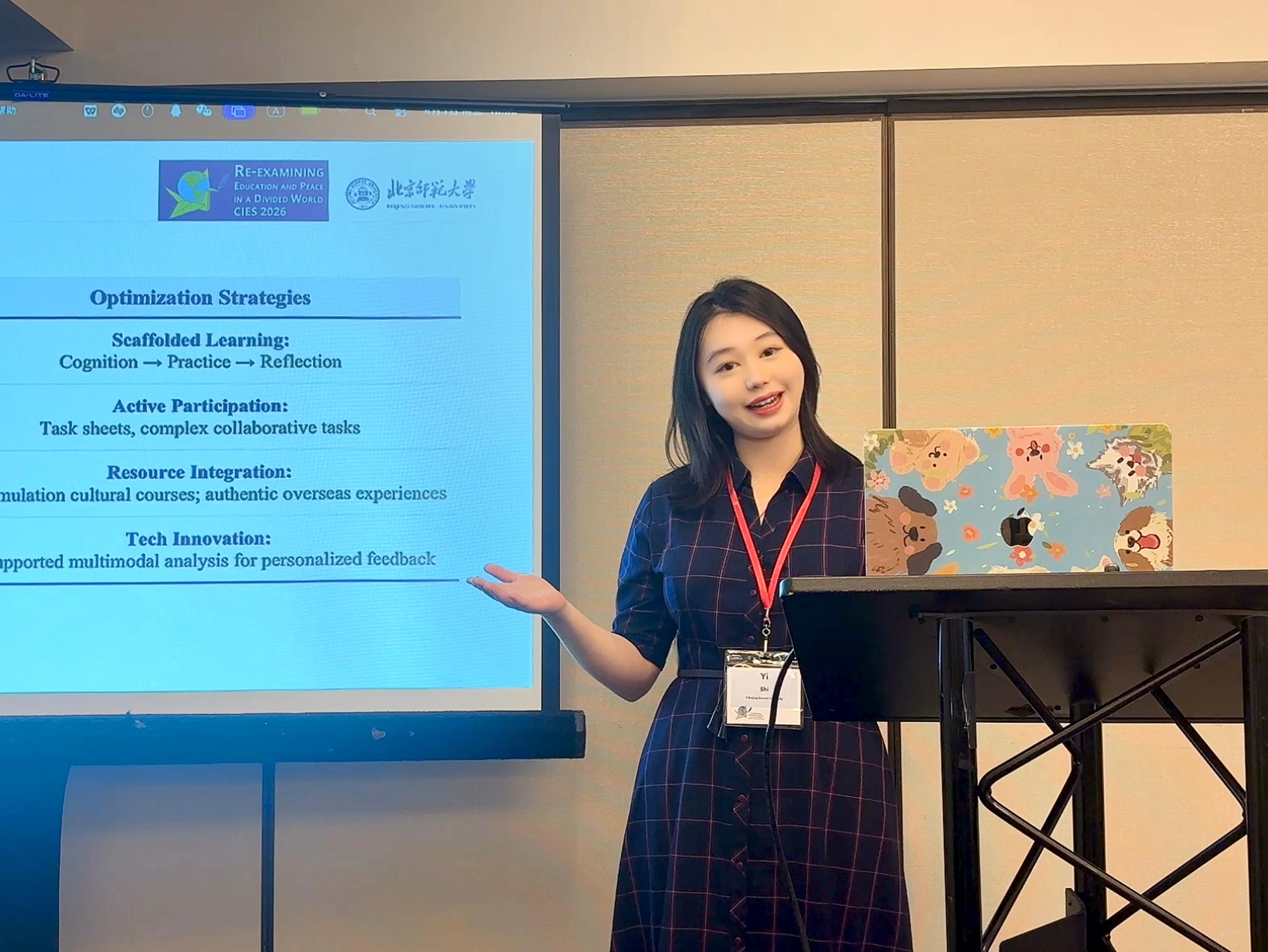
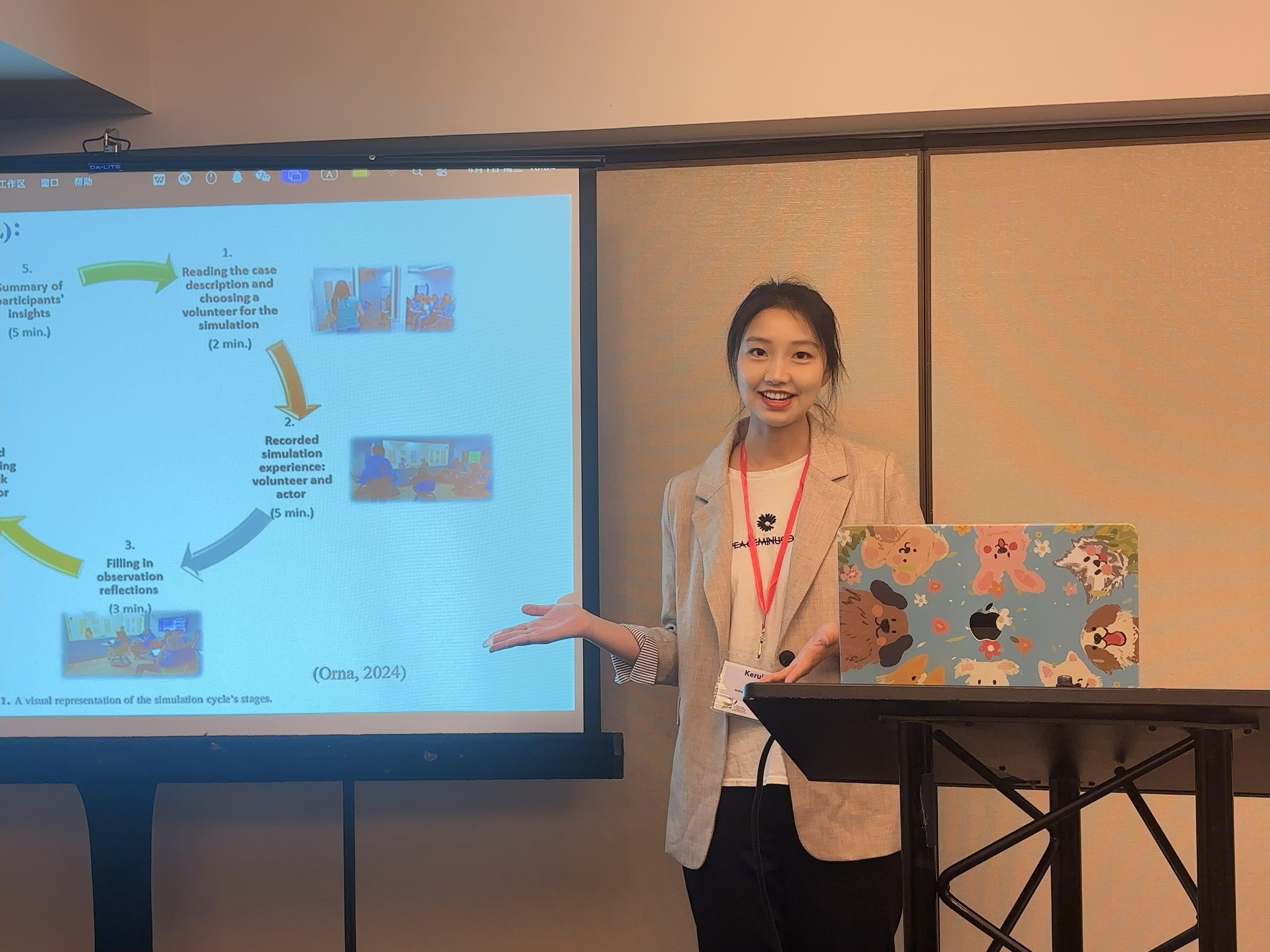
Their presentation shared empirical findings from the "Intercultural Competence Development Workshop," organized by Associate Professor Ye Juyan, which brought together master's students from CTER and student teachers from Israel. The report highlighted that in today's world, teachers serve as frontline peacebuilders and need strong intercultural competence — especially in home-school communication, a key area where cultural differences can easily lead to conflict. However, traditional models of internationalizing teacher education often have limited reach, favor certain regions, and lack authentic, context-based practice, making it difficult to meet the large-scale need for developing intercultural competence among student teachers. To address these challenges, the research team combined simulation teaching with transnational online collaborative learning, designing a workshop that included pre-workshop lectures, contextualized simulations, and guided reflections. Based on systematic analysis of Chinese master's students' reflective journals, survey responses, and semi-structured interview data, the team identified the unique value and key factors influencing the effectiveness of the transnational online simulation learning activity, discussed its current limitations, and proposed corresponding strategies for improvement.
This presentation reflects CTER's early-stage exploration and empirical findings in the field of transnational online simulation learning, demonstrates the ability of our master's students to present their research and engage with core conference themes in an international academic setting, and serves as a concrete example of CTER's ongoing efforts to internationalize talent development.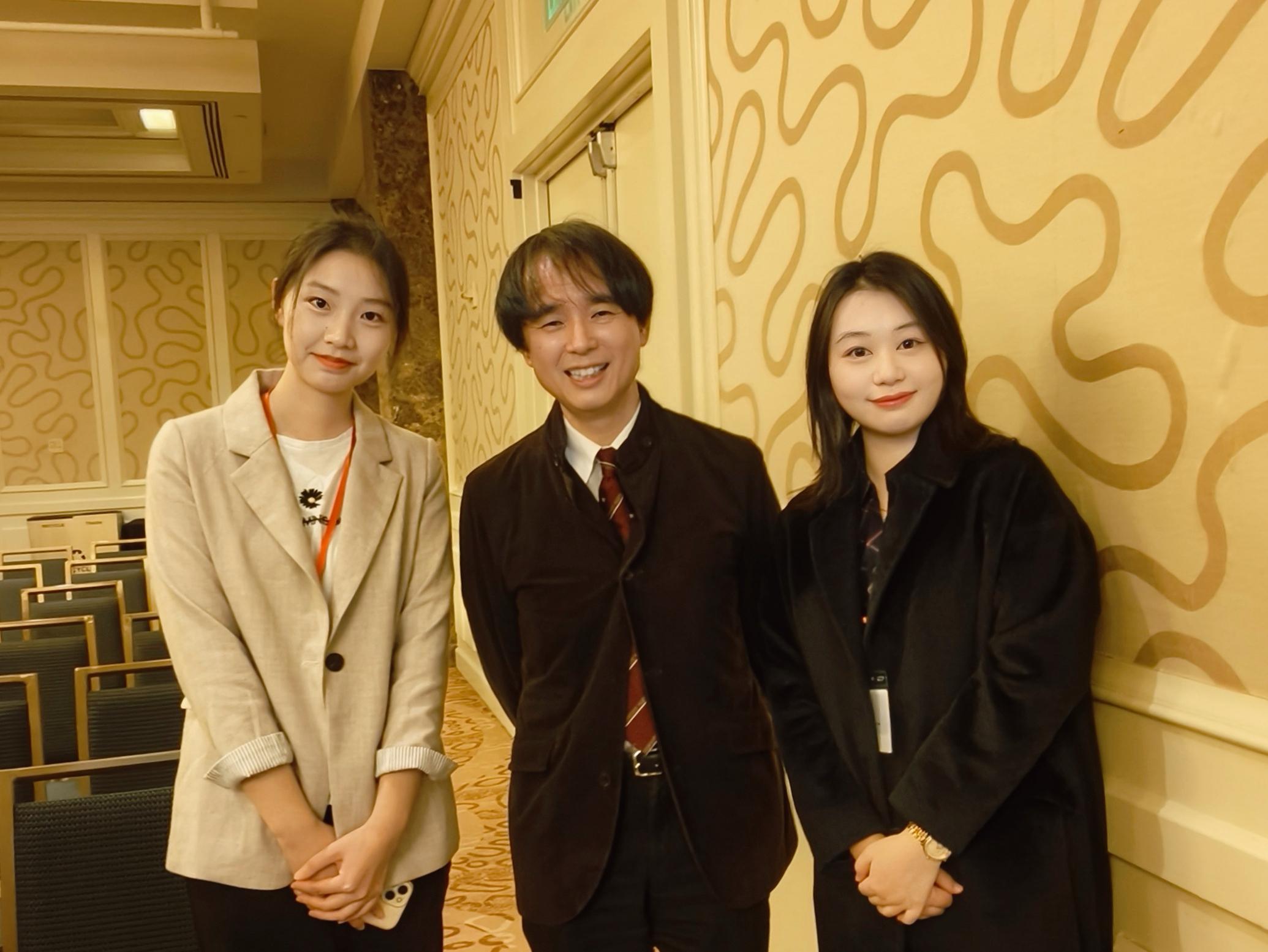
During the conference, the two students also had extensive, in-depth conversations with scholars from UNESCO, the United States, the United Kingdom, Japan, Thailand, and China's Hong Kong, Macao, and Taiwan regions. Their discussions covered a range of cutting-edge topics, including student teacher preparation, transnational learning, and the use of artificial intelligence in education. These exchanges offered valuable inspiration for broadening their research perspectives and identifying potential avenues for future collaboration.
Looking ahead, CTER-BNU will continue to support its current students in participating in high-level international academic exchanges, promote cross-cultural dialogue and collaborative innovation in teacher education, and contribute the wisdom and energy of young scholars to building a teacher education system that is both globally competitive and deeply rooted in the Chinese context.


